

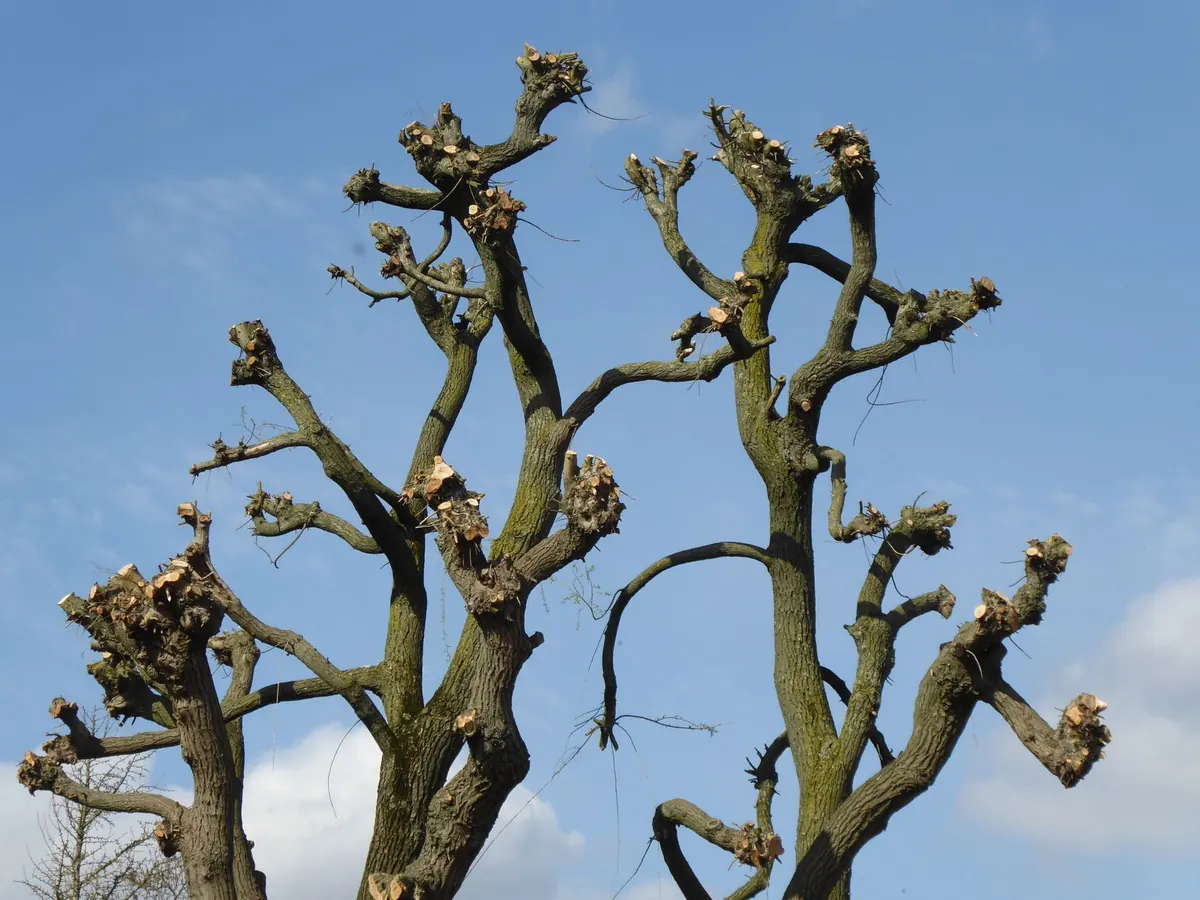
Willows are among the fastest-growing trees in a UK garden. That vigour is part of their charm, whether you have a weeping willow by a pond or a compact shrub willow in a border. It also means they need regular attention. Prune at the wrong time and you may lose the catkins, encourage a tangled crown, or leave the tree vulnerable to disease. Prune well and you can keep a large willow within bounds, improve its shape, and encourage fresh, colourful stems. The key is to match the timing and method to the type of willow you grow.
Why willow pruning is different
Willows have a reputation for bleeding sap if cut in late winter or early spring. This is rarely fatal, but repeated bleeding can weaken a tree. The sap rises early, sometimes before the end of February, so dormant pruning is usually done in late winter while the tree is still asleep. Avoid major pruning in autumn. The wounds sit open through wet, cold months and healing is slow. Willows also produce vigorous new shoots from old wood, so they respond well to hard pruning — sometimes too well. A light trim can turn into a thicket if you cut in the wrong place.
Know your willow before you cut
Not all willows behave the same way. The right timing depends on whether you are growing a tree, a shrub, or a pollard.
- Weeping willow (such as Salix alba ‘Tristis’): large, graceful, often near water. Prune in late winter to early spring to thin the canopy and remove low branches.
- Goat willow (Salix caprea): grown for early catkins. Catkins form on previous year’s growth, so winter pruning removes them. Prune after flowering in late spring if you want the display.
- Corkscrew willow (Salix matsudana ‘Tortuosa’): curly stems, often kept smaller. Prune in late winter for shape and to remove congested growth.
- Shrub willows (Salix purpurea, S. viminalis and similar): grown for colourful winter stems. Coppice or hard prune in late winter every one to three years.
- Alpine and creeping willows: low-growing, best trimmed lightly after flowering if needed.
If you are unsure which willow you have, watch when it flowers. Catkins in early spring usually mean the tree flowers on last year’s wood. Catkins later, often alongside new leaves, mean you can prune in winter with less risk of losing the show.
The seasonal pruning calendar
Late winter to early spring (February to March)
This is the main window for most willows. The tree is still dormant, but the worst frosts are usually past. Do structural pruning, coppicing and pollarding now. On weeping willows, remove dead, crossing and rubbing branches, and shorten long, whippy growth. If sap bleeds, it should stop within a few days.
Late spring to early summer (May to early July)
This is the time to tidy goat willows after catkins. Lightly thin the canopy, remove spent flowered shoots, and cut back any branches growing into paths or windows. Avoid heavy pruning in hot, dry spells.
Midsummer to late summer (July to August)
Remove water shoots and misplaced growth. A gentle prune now can keep a small willow in shape without encouraging a flush of soft, weak growth. Stop by the end of August so new shoots harden before winter.
Autumn and winter (September to January)
Leave willows alone unless you are removing dead, diseased or damaged wood. Autumn pruning is the worst option: wounds heal slowly and wet weather can encourage fungal problems. In winter, wait until late January or February for major work. If a branch breaks in a storm, remove it cleanly as soon as it is safe.
How to prune a willow: step by step
Before you start, check for nesting birds. In the UK, active nests are protected, so if you see birds going in and out, postpone the work. Also check for overhead wires, fences and buildings. Willows are often large and heavy, so plan your escape route.
- Clean your tools. Use sharp bypass secateurs, loppers and a pruning saw. Wipe blades with a garden disinfectant between trees.
- Remove dead, diseased and damaged wood first. Cut back to healthy wood or the branch collar.
- Take out crossing and rubbing branches. This opens the centre and reduces wind damage.
- Thin the canopy. Remove up to a quarter of the oldest stems at the base or to a main branch.
- Shorten the tree or shrub. Cut back to a side branch or outward-facing bud. Don’t leave long stubs. For pollards, cut back to the knuckle.
- Step back and check. Aim for a balanced shape. For a coppice, cut all stems to 5–10 cm from the ground.
Pollarding, coppicing and weeping willows
Pollarding is useful for large willows in small gardens. It keeps the tree at a set height and encourages a dense head of shoots. Cut back to the same knuckles every one to three years in late winter. Coppicing suits shrub willows and biomass varieties. Cut all stems to near ground level in late winter; you get colourful new growth the following season. The best stems for winter colour are one or two years old.
Weeping willows need a different approach. Don’t shear them into a ball. Instead, thin crowded branches and remove any hanging growth that touches the ground or blocks a path. If the tree is too large for its space, reduce the crown by cutting back to strong side branches in late winter. Large weeping willows are heavy; if the tree is near a house, drain or overhead line, ask a qualified tree surgeon to assess it.
Tools, cuts and aftercare
Good pruning is mostly about clean cuts. Use sharp bypass secateurs for stems up to finger thickness, loppers for branches up to about 3 cm, and a pruning saw for anything larger. For a branch heavier than your arm, use the three-cut method: make an undercut a hand’s width from the trunk, then a top cut slightly further out, then remove the stub. This stops the bark tearing down the trunk.
Don’t paint wounds with wound paint. Willows seal themselves if the cut is clean. Water young willows in dry spells for the first two or three years. A mulch of well-rotted compost in spring helps retain moisture, but keep it away from the trunk. If you are pruning near a road, power line or building, or if the tree is very tall, stop and seek professional advice. Safety matters more than a tidy crown.
A simple year-round plan for UK growers
- Late February to March: main prune, coppice or pollard. Remove dead, damaged and crossing branches.
- Late May to June: tidy goat willows after catkins and lightly thin other willows if needed.
- July to August: remove water shoots and any branches in the way. Stop by the end of August.
- September to January: leave alone except for storm damage or dead wood.
- Every time you cut: check for nesting birds, use clean tools, and avoid removing more than a quarter of the canopy unless you are coppicing or pollarding.
Follow that rhythm and a willow stays healthy and manageable without losing its character. The tree will tell you if you get it wrong: too much soft growth, fewer catkins, or a congested centre. Adjust next year. Willows are forgiving, and with a little timing they reward you with strong growth, colourful stems, and the graceful shape that makes them so useful in a British garden.
Photo: Timothy Huliselan / Pexels